01
Study plan and progress
The study plan makes the full journey visible: what is covered, where the learner is, and what comes next. Each person sets a cadence that fits their life, while the system helps them stay consistent.
02 · Case study · Legal study platform
AurumLex is a study platform for lawyers. I shaped the concept from its first marketing touchpoint through the core study experience, defining how a modern, credible product could capture interest, guide learners, and sustain their momentum over time.
Desired difficulty shapes the test engine and the way questions, lessons, and feedback help students build durable knowledge.
Focused sessions fit into small gaps in a professional’s day, while clear progress makes every short study moment feel memorable.
Progress cues, email, notifications, and social touchpoints keep students connected to their effort between study sessions.
The challenge
The response
I started by sitting with the founder, understanding the product vision, and mapping the full experience around it: the study journey, motivation model, communication, and every touchpoint between sessions. That understanding shaped both the visual system and the way I communicated the product’s value, so the experience felt credible, useful, and worth returning to.
Designing engagement
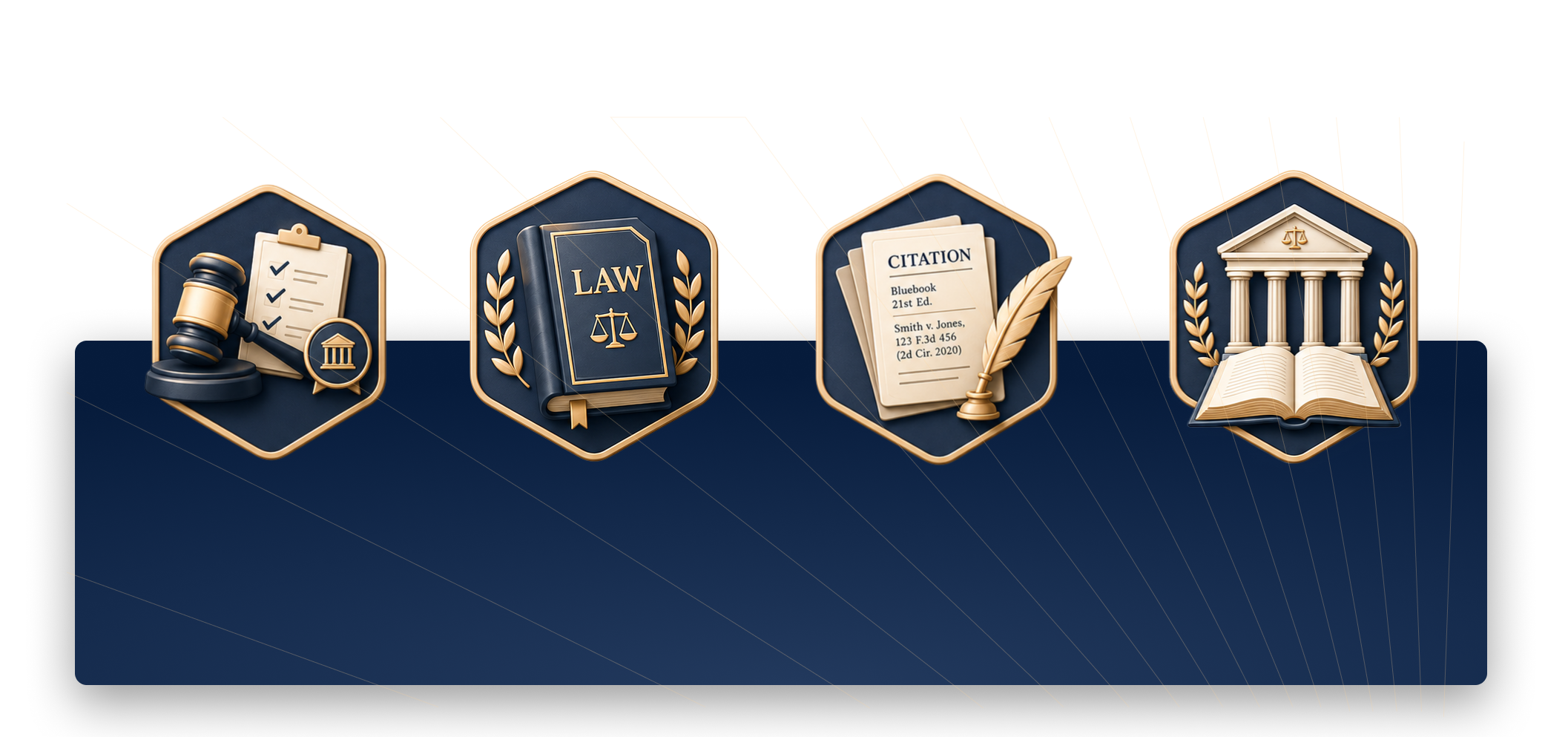
I identified meaningful moments in the learning journey, then designed milestones around them. An event-driven accomplishment engine let me generate, measure, and refine recognition as students progressed, so their effort felt visible and worth being proud of.
Progress feels more real when students can see what their effort has unlocked.
I created 10 major achievements with three levels each, celebrating academic progress, consistency, and personal bests. Consistency was the key success metric from the start, so every recognition was designed to help students stay motivated and keep going.
What the system does
The study plan makes the full journey visible: what is covered, where the learner is, and what comes next. Each person sets a cadence that fits their life, while the system helps them stay consistent.
Built around desirable difficulty, the test engine balances statistically likely misses with easier questions that rebuild confidence. Short lessons and intent tracking help each session move learning forward.
Key questions open into deeper explanations and supporting case law. When learners want to go further, related material extends the lesson beyond the answer.
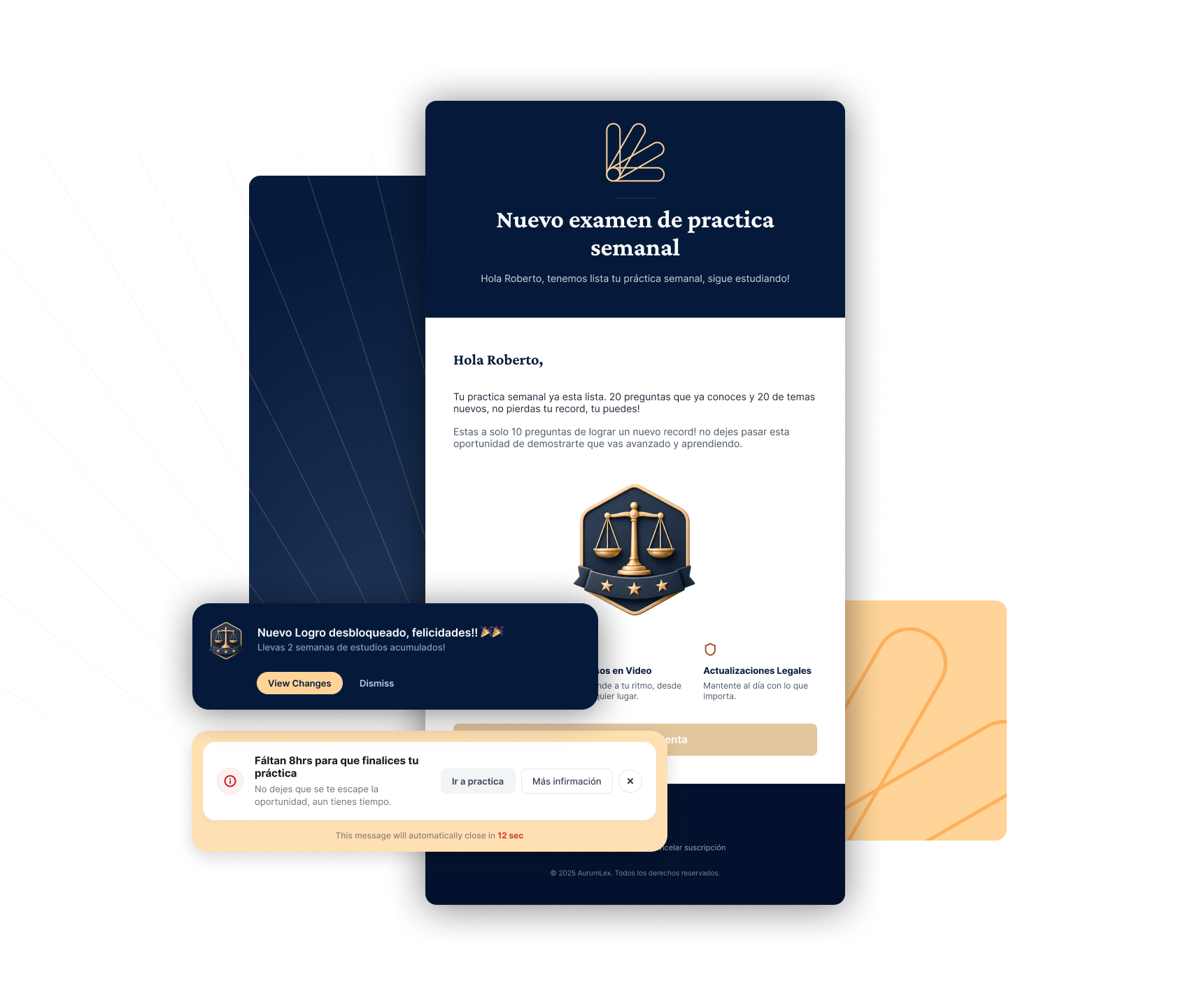
Learners are not always on the platform. Newsletters, email reminders, and social touchpoints keep the journey present, vocal, and shared even when the study itself is personal.
How it was built
The product interface is very simple because the real value is in the knowledge base, not at the interface level. I knew the interface needed to work extra hard to deliver that value and elevate the experience.
I gathered the test content, mapped the curriculum, and created the screens and sections needed to make the full study journey tangible. I also designed touchpoints for the moments that needed extra care: some accomplishments benefit from a little friction so they feel earned and worth celebrating.
I gathered ideas and tested what could work best in each case. AI tools, Figma, and MagicPath helped me think sideways, compare directions, and choose the strongest concept for each flow.
Once the direction was clear, I brought it into React and Next.js, combining ShadCN components with a custom stylesheet grounded in the design system.
I connected every part and built a stable deployment process with a reliable pipeline for updates and component changes. The product was designed to keep evolving as I refined the experience.
Built the interactive study interface and reusable product components.
Structured the application and connected the front end to the product services.
Gave me a dependable base of accessible components to adapt to the system.
Defined the visual system, screens, and handoff-ready interface details.
Helped me explore and communicate alternate paths through key flows.
Expanded the range of concepts I could test before committing to a direction.